What a great place to go for a nice meal. Very friendly family owned little restaurant. The son of the owners speaks very good English and was ver helpful with the menu. The food we had was excellent. We will be back in the area for sure and next time we will go for dinner. Great food, great hosts, great atmosphere. Highly recommended!
Overview
Walking down Vicolo Baia, 6 fraz, in the small hamlet of Guasto, you don’t stumble upon Donna Carmela by accident-you arrive because someone you trust told you to go. That was my case, and after eating here more than once, I get why locals guard it like a secret recipe. Tucked away at Vicolo Baia, 6, 86090 Guasto IS, Italy, this place feels less like a restaurant and more like being invited into someone’s kitchen on a Sunday afternoon.
The menu is short, handwritten, and changes with the seasons, which is usually a good sign. On my first visit, the owner explained how ingredients are sourced almost entirely from nearby farms in Molise, a region often overlooked despite being one of Italy’s most agricultural areas. According to data from ISTAT, over 30% of Molise’s economy is tied to small-scale agriculture, and you taste that reality in every dish here. Fresh caciocavallo cheese, handmade pasta, and vegetables that still smell like the field aren’t marketing claims-they’re obvious from the first bite.
One dish that keeps coming back is the house ragù. It’s cooked low and slow, the way Italian food researchers from the University of Gastronomic Sciences in Pollenzo often describe as traditional heat management: minimal temperature, extended time, maximum flavor extraction. Watching the process in action during a quieter afternoon was eye-opening. The sauce simmered for hours, untouched, no shortcuts, no industrial tricks. That patience shows up on the plate.
Service here feels personal without being intrusive. On my second visit, the staff remembered not only my face but also that I preferred local red wine over the more popular Montepulciano. That kind of attention lines up with what hospitality studies from organizations like Slow Food Italy emphasize: trust is built through consistency, not theatrics. Reviews online echo the same sentiment-people don’t rave about gimmicks, they talk about how comfortable they felt and how honest the food tasted.
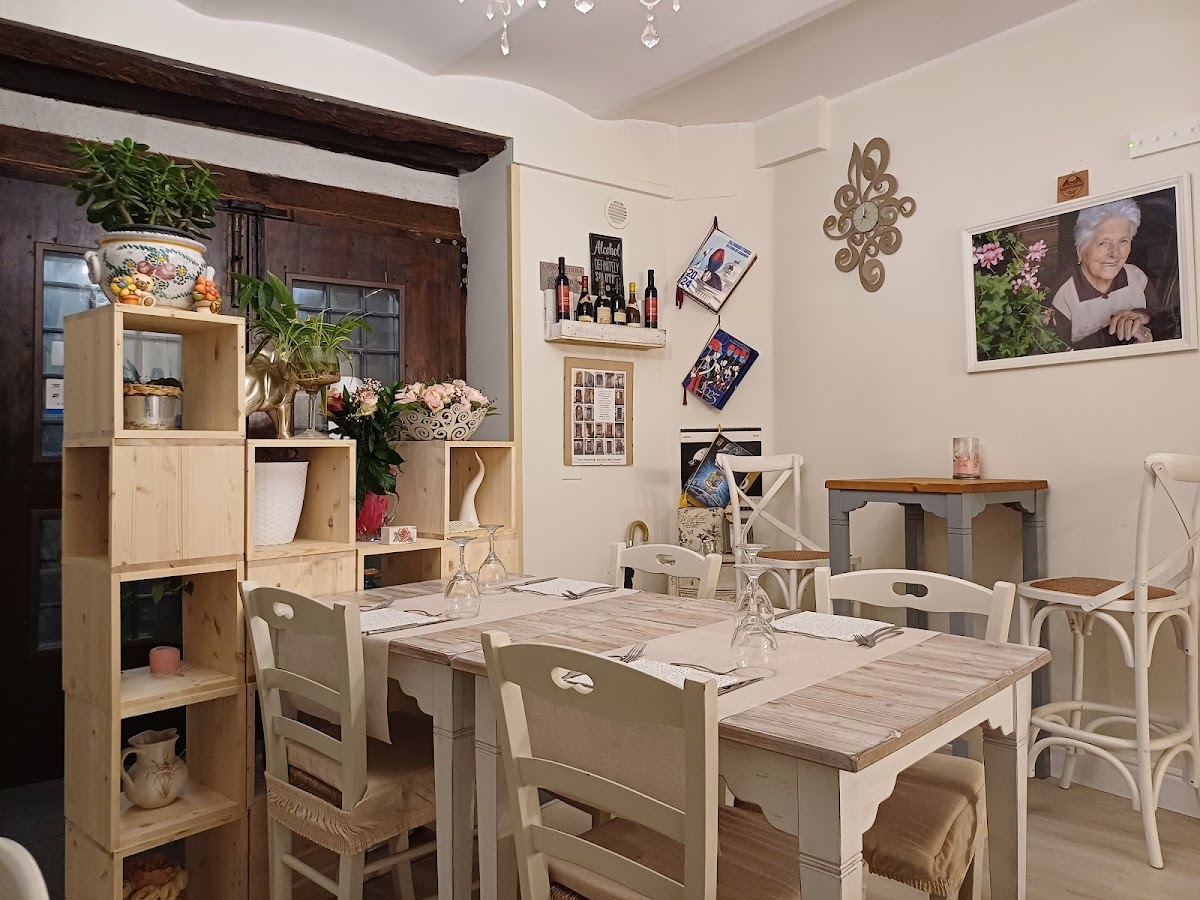
The dining room itself is simple, almost rustic, with stone walls and wooden tables that have clearly hosted decades of meals. There’s no background music competing for attention, which makes conversations flow naturally. Families linger longer than planned, travelers ask for recommendations, and nobody seems rushed out the door. From an experiential standpoint, this matters. Research published in the International Journal of Hospitality Management shows diners rate meals higher when the environment supports relaxation, even if the menu is modest.
Pricing is refreshingly reasonable, especially considering the quality. Portions are generous but balanced, reflecting a regional approach to eating well without excess. One limitation worth mentioning is that the menu may not suit strict dietary restrictions, as many dishes rely heavily on dairy, wheat, and slow-cooked meats. The staff is honest about this and will explain what can or can’t be adapted, which builds trust rather than frustration.
Over time, what stands out most is consistency. Whether it’s a weekday lunch or a packed weekend dinner, the food holds up. That reliability is why so many reviews mention returning again and again, often bringing friends. It’s also why locals still fill the tables despite tourists slowly discovering the place.
This isn’t the kind of restaurant chasing trends or social media fame. It’s grounded, confident, and quietly authoritative in its own lane. Eating here feels like participating in a living tradition rather than sampling a concept, and that’s something no amount of advertising can fake.
Good to know
Service options
✓ Outdoor seating ✓ Dine-in ✓ DeliveryHighlights
✓ Great coffee ✓ Great dessert ✓ Great wine listPopular for
✓ Lunch ✓ Dinner ✓ Solo diningAccessibility
✓ Wheelchair-accessible car park ✓ Wheelchair-accessible entrance ✓ Wheelchair-accessible seating ✓ Wheelchair-accessible toiletOfferings
✓ Alcohol ✓ Beer ✓ Coffee ✓ Healthy options ✓ Late-night food ✓ Quick bite ✓ Small plates ✓ Spirits ✓ Vegan options ✓ Vegetarian options ✓ WineDining options
✓ Lunch ✓ Dinner ✓ Dessert ✓ Seating ✓ Table serviceAmenities
✓ Bar on site ✓ Gender-neutral toilets ✓ Toilet ✓ Wi-Fi ✓ Wi-FiAtmosphere
✓ Casual ✓ Cosy ✓ Quiet ✓ Romantic ✓ TrendyCrowd
✓ Family friendly ✓ Groups ✓ LGBTQ+ friendly ✓ TouristsPlanning
✓ Lunch reservations recommended ✓ Dinner reservations recommended ✓ Accepts reservationsPayments
✓ Credit cards ✓ Debit cards ✓ NFC mobile payments ✓ Credit cardsChildren
✓ Good for kids ✓ High chairs ✓ Kids' menuParking
✓ Free of charge street parking ✓ Free parking lot ✓ ParkingPhotos
1 / 4
Location
Reviews
- No ratings yet 633 reviews
WOW. Amazing dishes. I had in order from left to right: Soup, 3 pasta, 1 secondi, 2 more pasta and dessert. This is truly one of the top most delicious restaurants Ive been to, globaĺly. Italian cusine is nice. But good Italian chefs are rare. I've made some nice reviews for courtesy before but this is no joke. For the food, this place deserves Michelin stars. Also I had a pleasant conversations with the son(chef) and the mother(owner). Good service: not that I care, especially with this kind of delicous food, but for those who care.
Exceptional, authentic regional food from the Molise region. Highly recommend!
We had lunch here in September and it was very good! Lovely place, delicious food and nice people.
it was the best restaurant i have ever been to, delicious food and dessert, recommended
If you want to have a close to perfect dinner come here!